Nagiso · Kiso Valley · On the old Nakasendo
An indoor, hands-on workshop by the hearth of a century-old storehouse: shape nerikiri — the delicate seasonal sweets of the Japanese tea ceremony — with your own hands, then eat them with a bowl of matcha. We call it the Nerikiri Challenge.
The main event
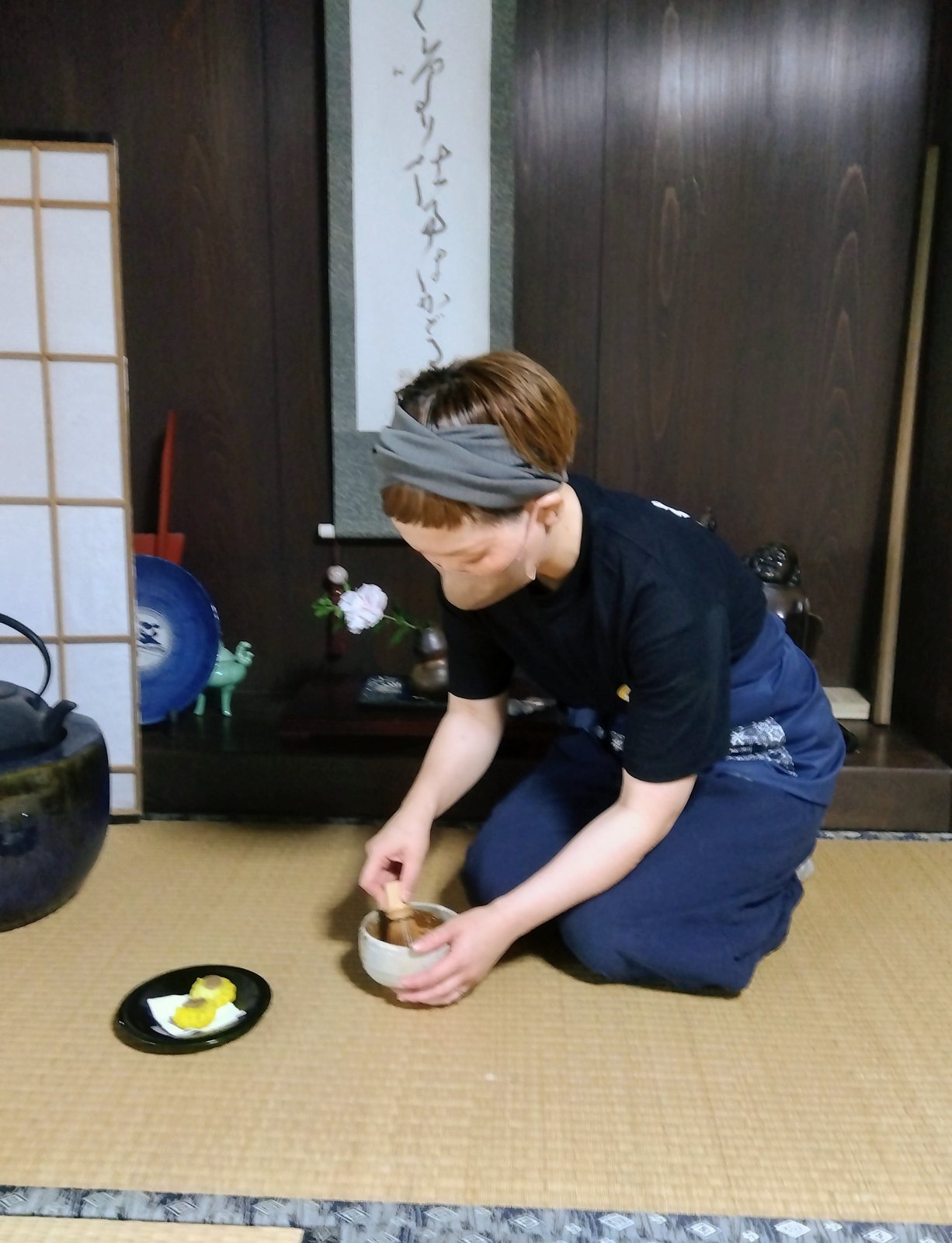
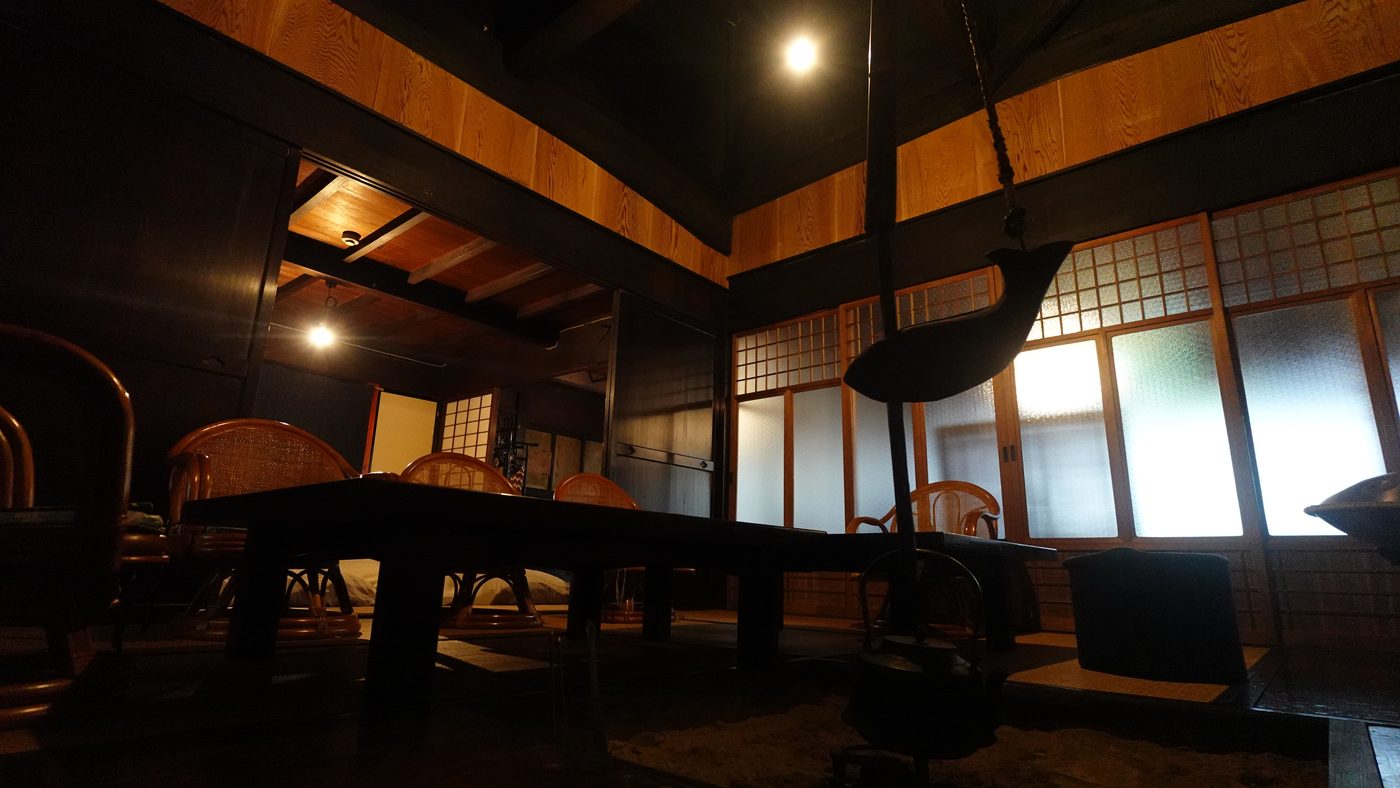
By an irori hearth, inside a century-old kura storehouse, you’ll shape nerikiri — the delicate seasonal sweets served at Japanese tea ceremonies — petal by petal, with a local guiding your hands.
Then you sit and eat your own little work with a bowl of matcha. Everything happens indoors, whatever the sky is doing — unhurried, warm, and about as far from a tour-bus queue as a day in Japan can get.
For early risers
From 8:30 to 9:30 in the morning, while the storehouse is still quiet — a one-hour sitting where the sweets you shape become your treat after breakfast. Guests staying at Kashiwaya get free pick-up and drop-off.
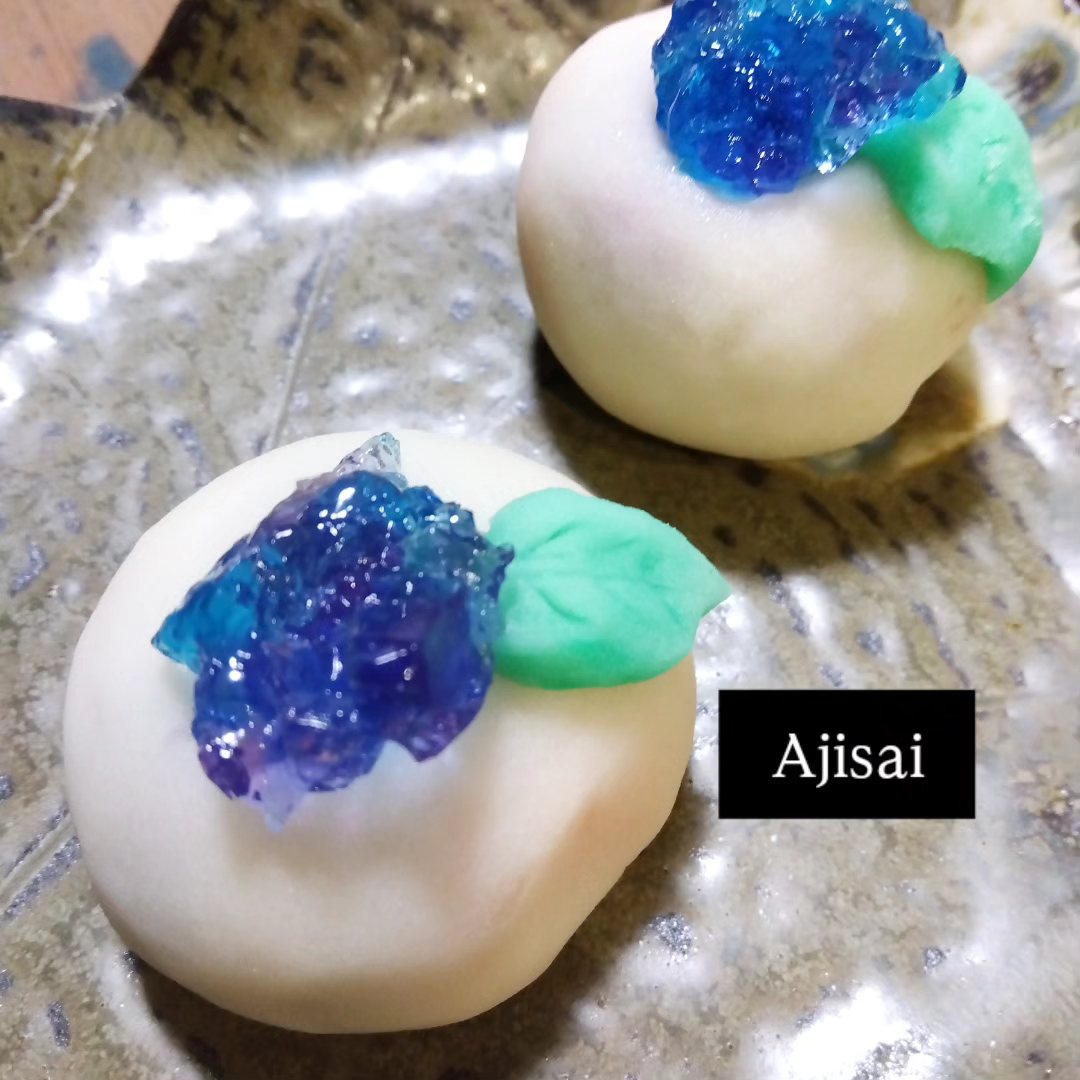
First time hearing the word?
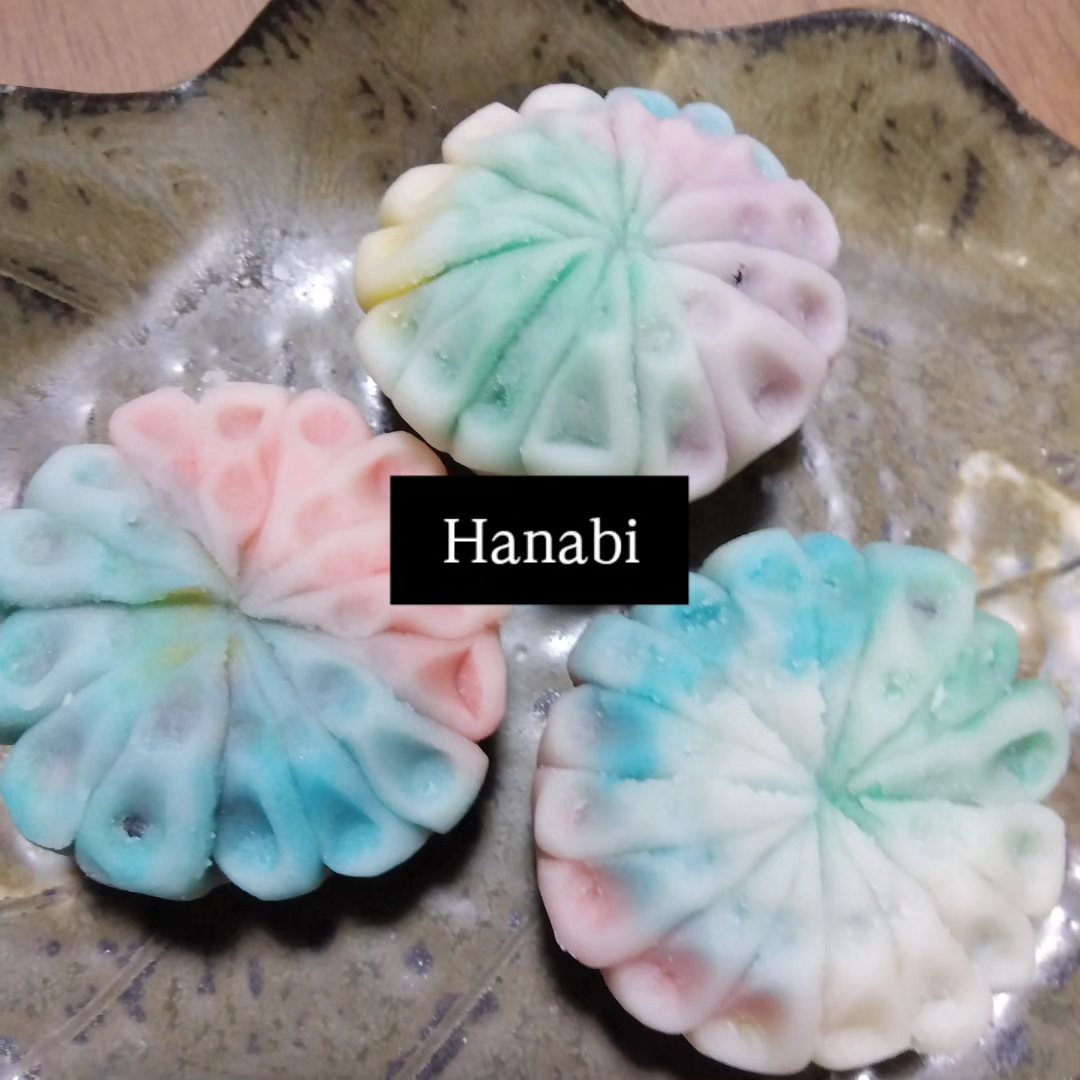
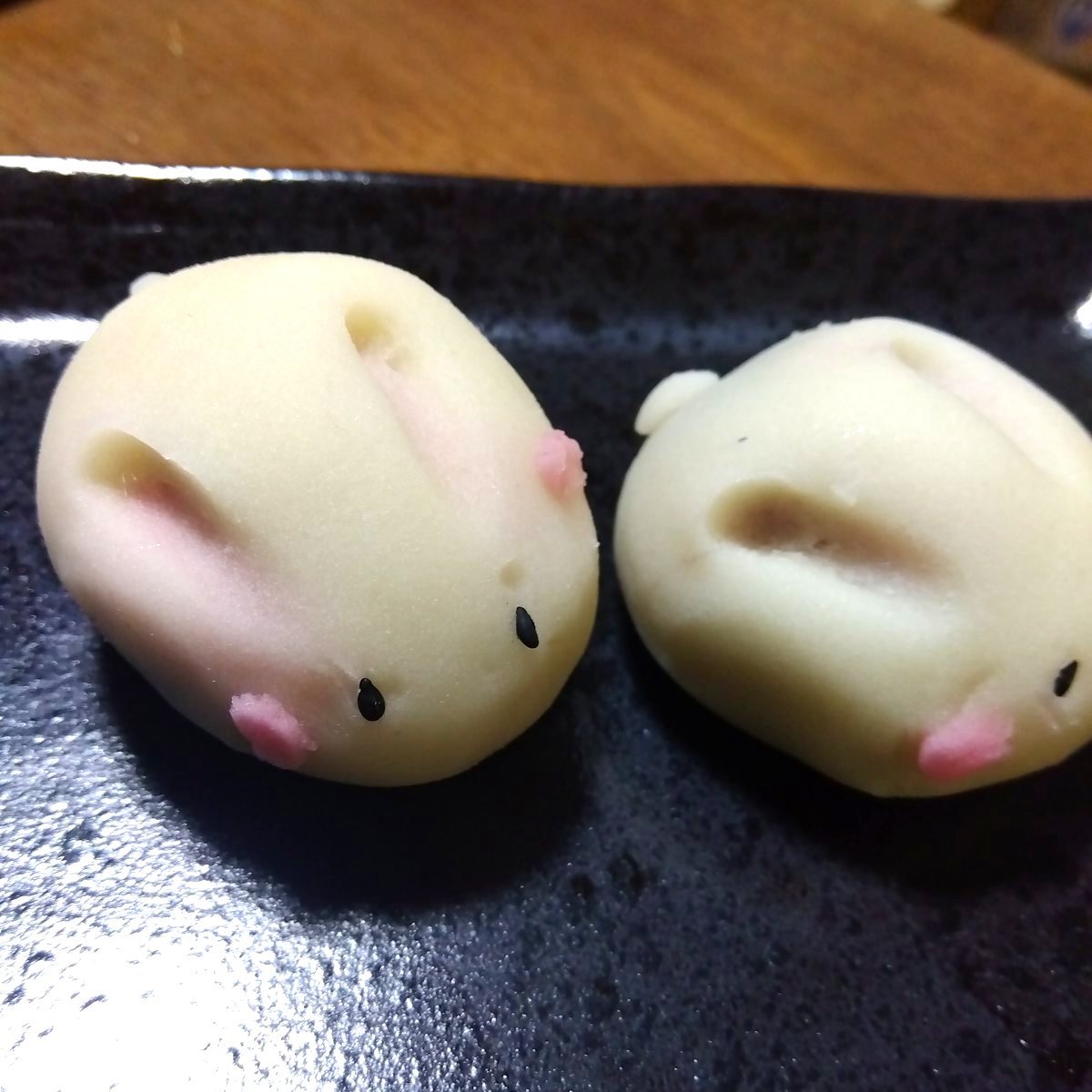
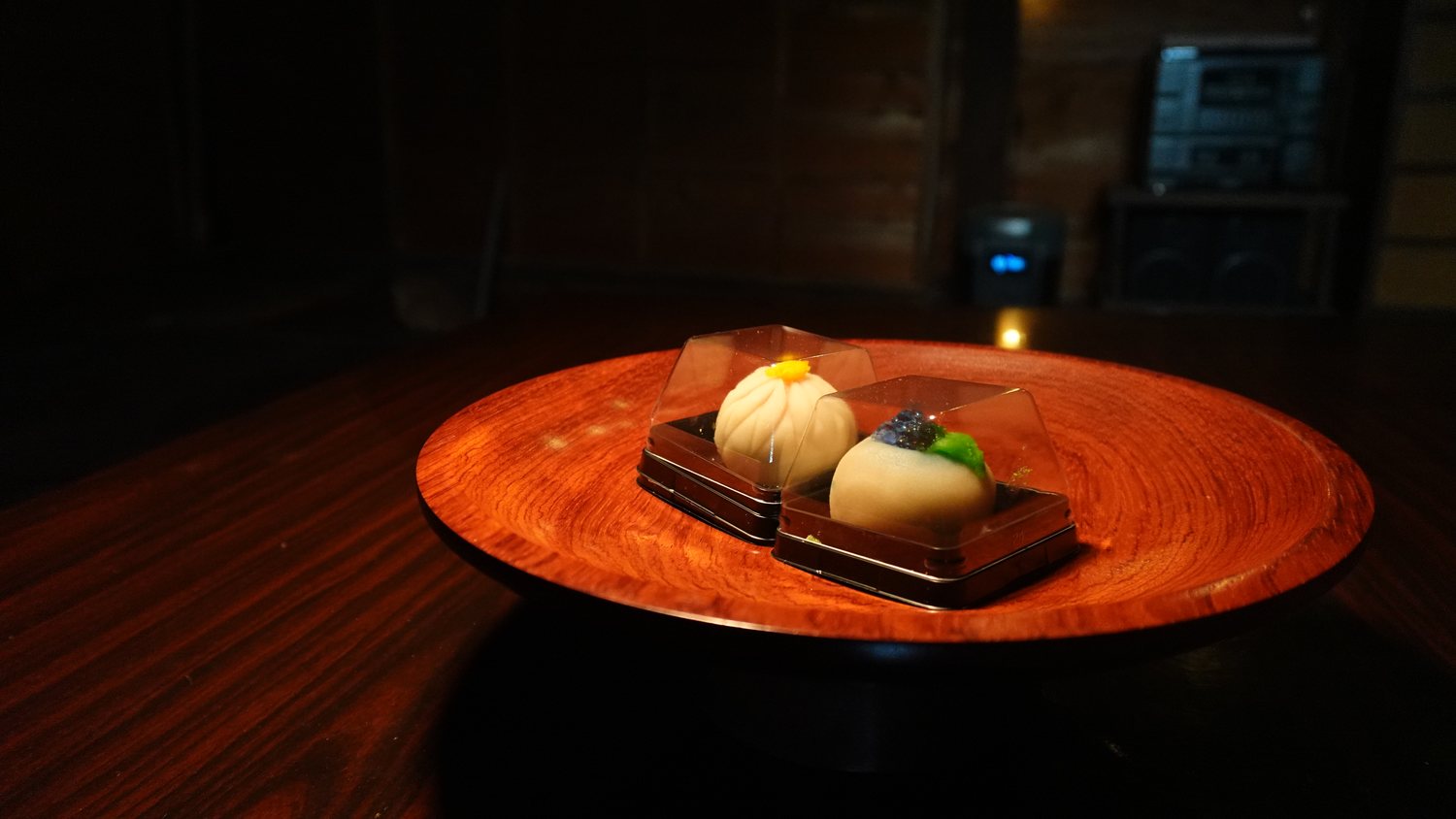
Nerikiri (練り切り) is one of the small jewels of Japanese confectionery: sweetened white-bean paste, tinted in soft seasonal colours and shaped entirely by hand into flowers, leaves, and fruit.
Each one is a tiny edible sculpture of the moment it’s made in — cherry blossom in spring, red maple in autumn, snow-round and white in winter. They’re the sweet traditionally served just before matcha, made to be as lovely to look at as they are to eat.
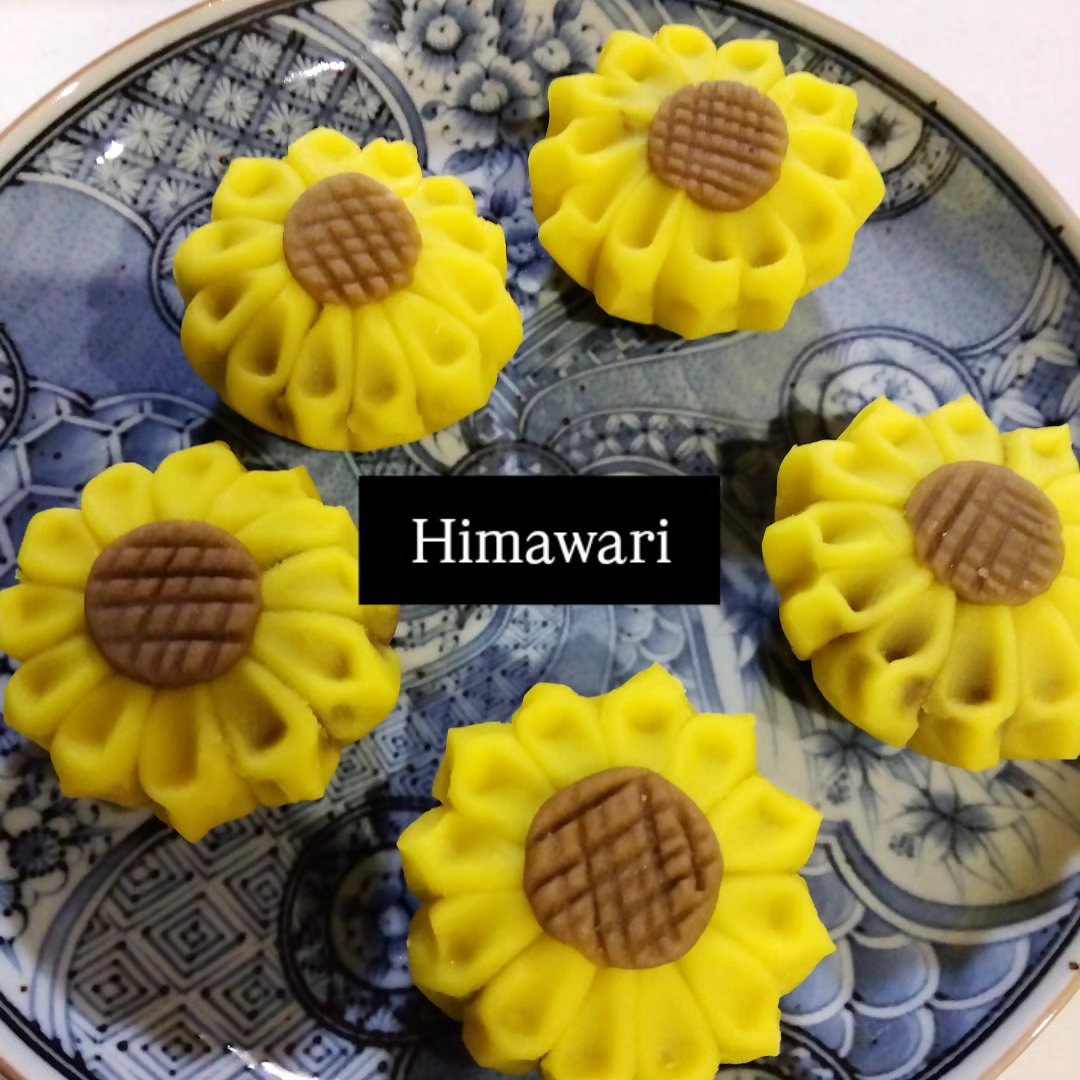
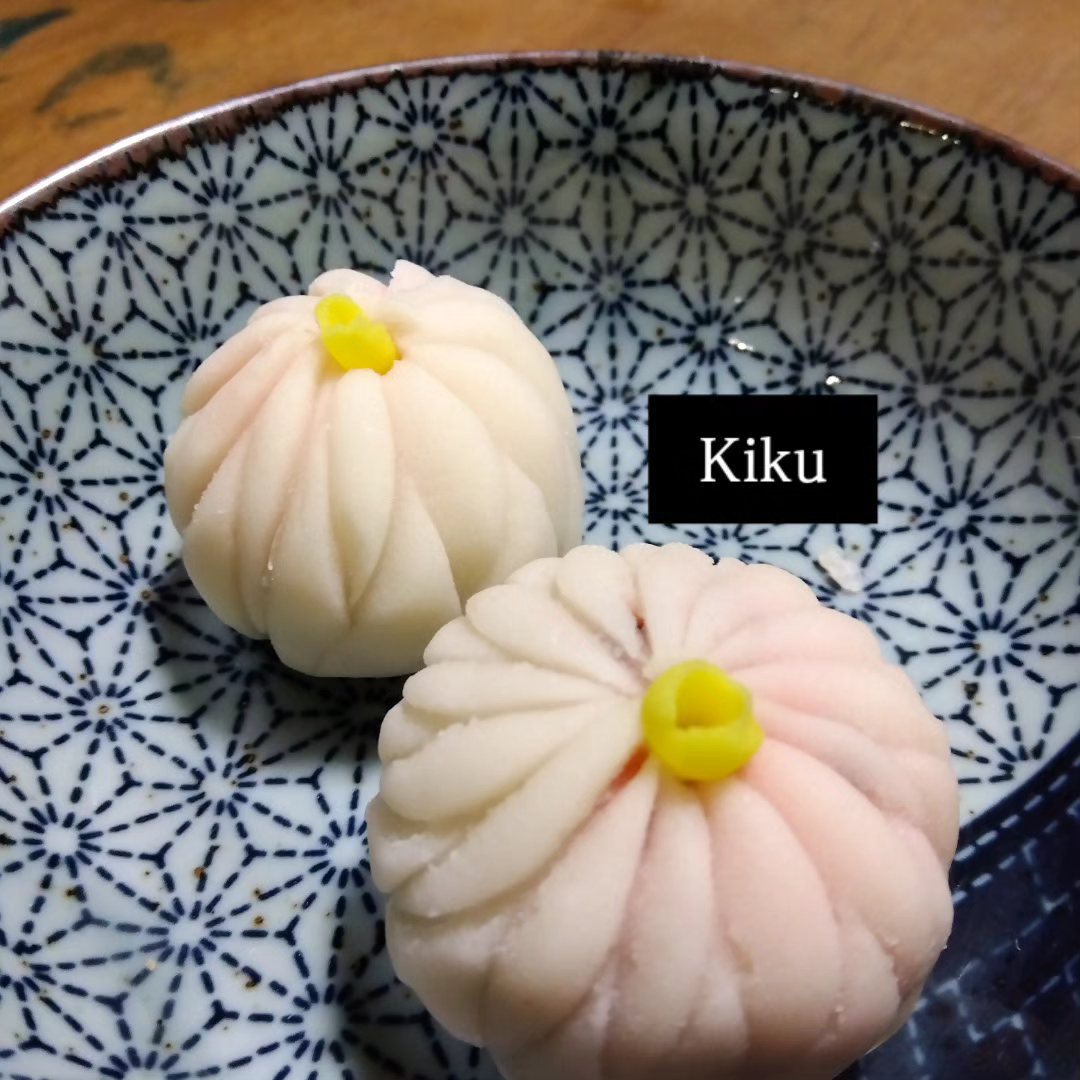
Ours follow the seasons of the old Nakasendo — hydrangea in the June rains, sunflowers in high summer, chrysanthemum as the maples turn.
A few of ours from this year — whatever the season hands us.


Your teacher
Makiko was born in a town along the old Kiso Road — the mountain highway whose seasons now shape her sweets.
It was Kyoto’s nerikiri that set her course: she was struck by how much flavour and beauty could live in something so small. Two years of confectionery school followed, then a national confectioner’s licence (seika eiseishi), then three years of apprenticeship in Tokyo.
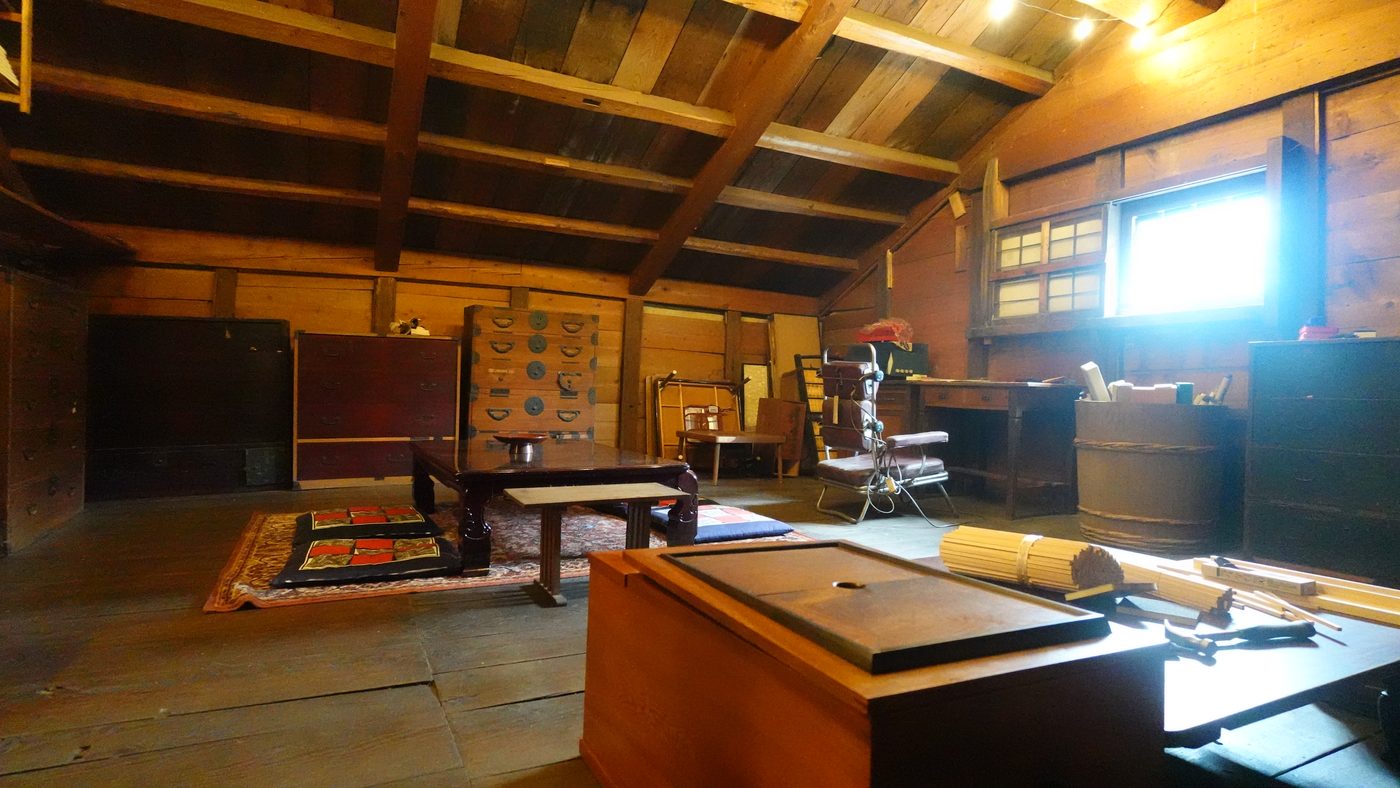
Now she is back home, raising her children and shaping this workshop so that people passing through the Kiso can meet nerikiri for themselves. Her craft doesn’t stop at the sweets — the old house, kept as it felt a century ago, and the unhurried time you spend in it are part of the work too.
“Nerikiri, as far as I know, hasn’t changed — not in the old days, not now. A few ingredients, a few simple tools, and the rest is the maker’s hands. It’s a craftsman’s world — I’m still learning it myself.”
— Makiko
The workshop follows her lead: the same paste, the same few tools — and your own two hands, finding out what they can do.
One thing to know
Nerikiri is made fresh in small batches, and the bean paste is prepared by hand before you arrive.
Any day of the week. First, send us your preferred date and group size on WhatsApp or LINE — we check with Makiko and reply with the details.
Book at least 2 days ahead.Book it when you plan your trip. The workshop is entirely indoors, so it keeps its place in your itinerary whatever the weather decides to do.
e.g. two of you: ¥2,000 + ¥2,000 × 2 = ¥6,000
Or call / text 090-3839-2354. English is fine.